On November 3, Chairman Zhang Shicheng of the Chinese Association of German Mechanical and Electrical Engineers (CAGMEE), Dean Zeng Zhuoqi of the School of Engineering at Bielefeld University of Applied Sciences, Senior Researcher Li Yuanzhe of the Institute of Automotive Engineering at Technische Universität Berlin, and Former R&D Director of Knorr-Bremse Commercial Vehicle Systems Li Nan visited Jiangsu University for a delegation of four to hold talks on international cooperation. Cui Yong, Director of the Office of International Cooperation and Exchange, and Deputy Director Zou Shijian; Jiang Haobin, Executive Director of the School of Automotive and Traffic Engineering; Wang Ruochen, Dean of the School of Automotive and Traffic Engineering; Yuan Chaochun, Dean of the Automotive Engineering Research Institute, and Deputy Dean Xu Xing; and Xue Hongtao, member of the Party Committee of the automotive discipline and Director of the Department of Vehicle Engineering, attended the symposium. The meeting was chaired by Xu Xing.
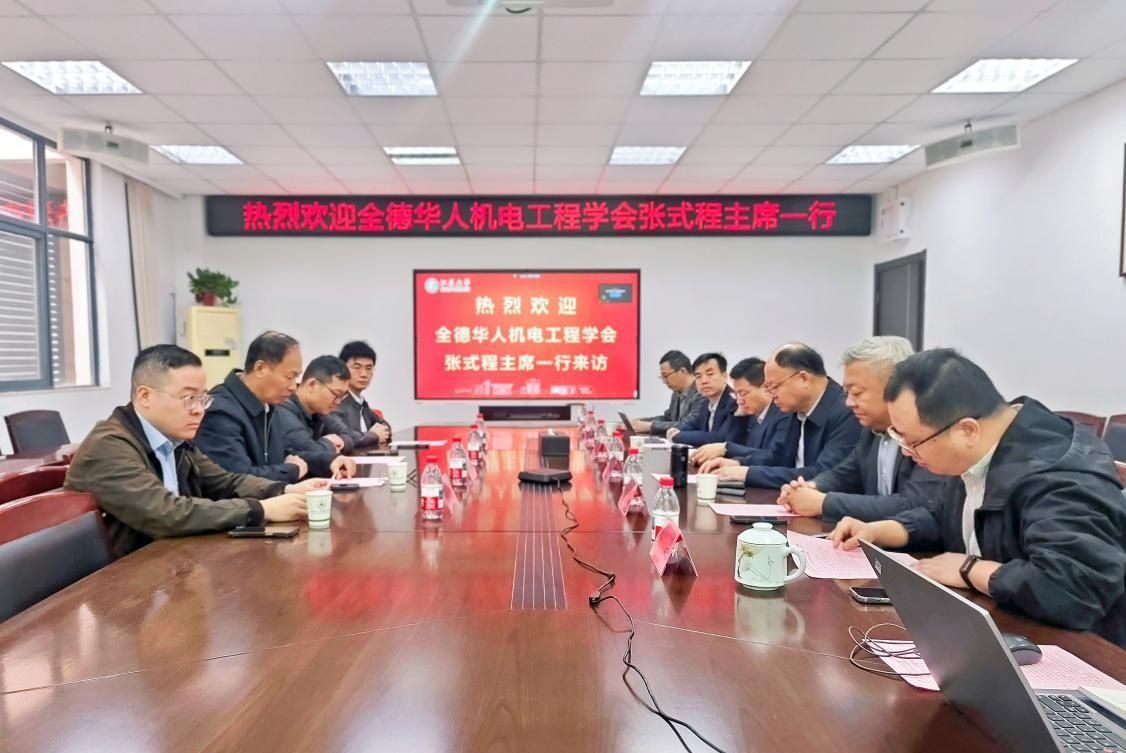
Delegation led by Chairman Zhang Shicheng visiting Jiangsu University
Jiang Haobin delivered a welcome address. He extended a warm welcome to Zhang Shicheng and his delegation, outlined the development trend of China's new energy vehicle industry, and, in light of the internationalization efforts of the automotive discipline, introduced the school's achievements in serving the high-quality development of the automotive industry as well as its operational status. He expressed the hope that this exchange would serve as an opportunity to further enhance mutual trust, give full play to the discipline and industry advantages of the school in the automotive field, jointly plan cooperation arrangements, and generate more practical cooperation outcomes.
Cui Yong gave an online introduction to the Office of International Cooperation and Exchange, focusing on the university's international exchange activities, its foundation for school-enterprise cooperation with German universities and companies, the results of international cooperation, and progress in building the state key laboratory for Belt and Road countries. He noted that both sides are expected to build on complementary strengths, strengthen industry-university-research coordination, broaden cooperation in areas such as agricultural machinery, and deepen engagement and build consensus in jointly building cooperation bases, applying for joint projects, jointly cultivating research outcomes, and tackling international projects. Zou Shijian supplemented the introduction with the functions and responsibilities of the international office, the layout of external cooperation, and the results of joint talent training.
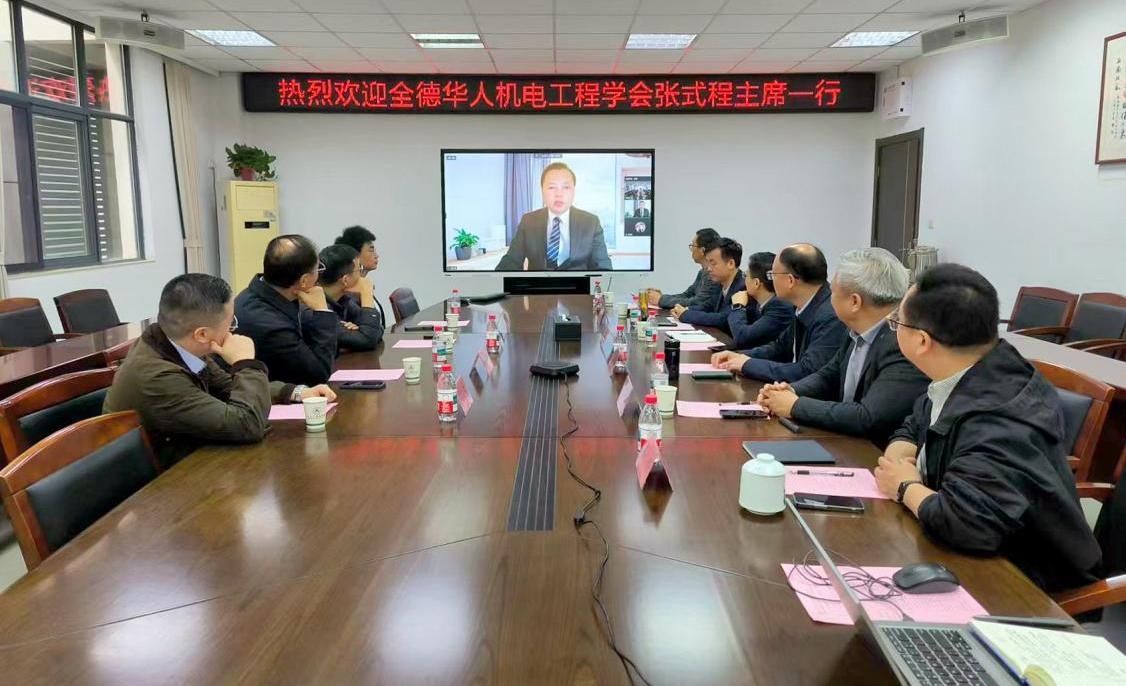
Symposium between the visiting delegation and Jiangsu University
Zhang Shicheng introduced the general situation of the Chinese Association of German Mechanical and Electrical Engineers and the current development of Germany's new energy vehicle industry. He looked forward to taking this talk as a new starting point to deepen school-enterprise interaction, focus on innovative talent training and international business expansion, and jointly build a multi-tiered and sustainable international cooperation system. Yuan Chaochun systematically presented the overall development of the school from the dimensions of discipline and program development, talent training models, research directions and landmark achievements, industry-university-research integration, and internationalization. During the discussion, participants engaged in in-depth consultation on joint doctoral training, international cooperation project applications, and the joint development of cooperation bases. Following the symposium, Zhang Shicheng and his delegation delivered separate academic reports for faculty and students of the school.
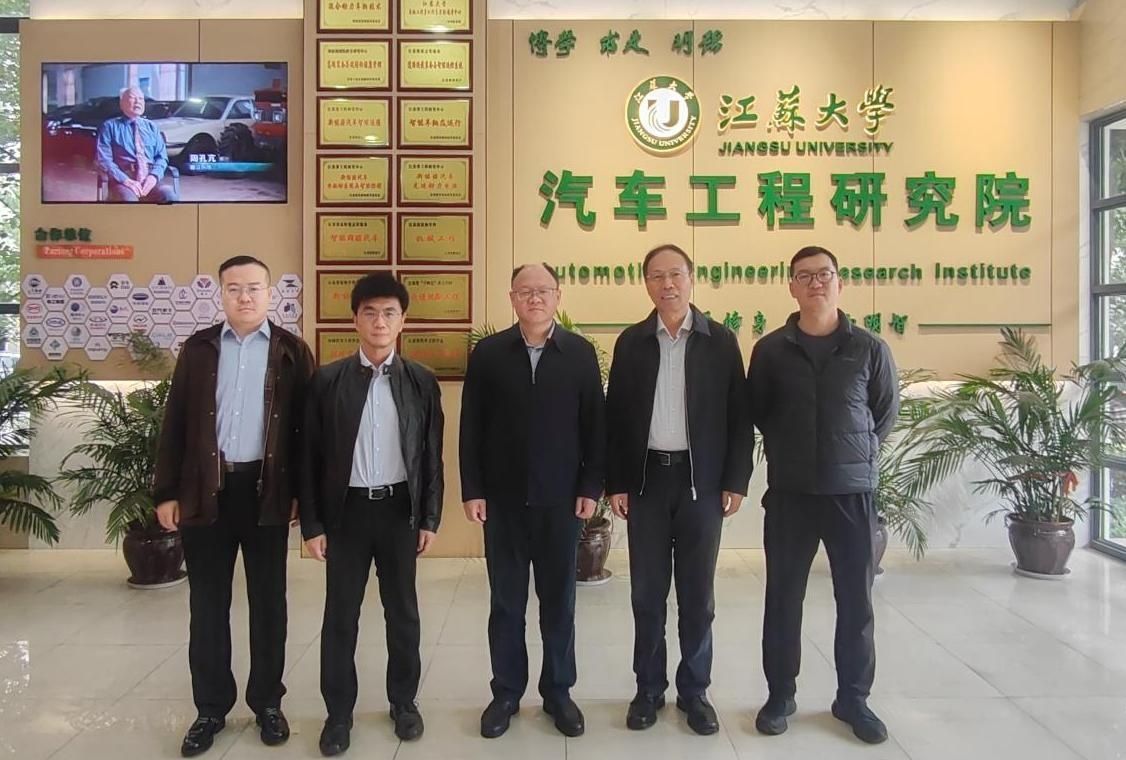
Academic exchange session with faculty and students
The talks established a regular platform for coordination and exchange between Jiangsu University and the Chinese Association of German Mechanical and Electrical Engineers, and further clarified the direction of cooperation between the two sides. Next, drawing on high-quality disciplinary resources, the university will actively promote the implementation of all cooperation intentions, continuously expand channels for exchange and cooperation with Germany, and use international cooperation to empower discipline development, talent training, and research and innovation capacity.


